Practical Investigations
The Oxygen In Air Sensor can be used to investigate a number of scientific experiments such as:
- Human respiration – compare oxygen levels in inhaled and exhaled air.
- Respiration before and after exercise – investigate changes in oxygen consumption following physical activity.
- Photosynthesis – measure changes in oxygen concentration as plants photosynthesise.
- Plant respiration – investigate oxygen consumption by plants in darkness.
- Effect of light on photosynthesis – investigate how light intensity, colour or duration affects oxygen production.
- Effect of temperature on photosynthesis – investigate how temperature affects the rate of oxygen production.
- Germinating seeds – measure oxygen consumption during respiration.
- Yeast respiration – investigate oxygen consumption under different conditions.
- Insect respiration – measure oxygen consumption as an indication of respiratory activity.
- Animal respiration – investigate respiratory rates by monitoring oxygen consumption.
- Fruit and vegetable respiration – compare oxygen consumption under different storage conditions.
- Soil respiration – investigate biological activity by measuring oxygen consumption.
- Decomposition – monitor oxygen consumption during the breakdown of organic material.
- Catalase and hydrogen peroxide – measure oxygen production as catalase decomposes hydrogen peroxide.
- Combustion – investigate the decrease in oxygen concentration during burning.
- Air quality – monitor oxygen levels in different environments.
- Environmental investigations – investigate oxygen changes alongside temperature, humidity and pressure.
- Sealed ecosystems – investigate changes in oxygen associated with photosynthesis and respiration.
Combined Oxygen and CO₂ Experiments
Using the Oxygen in Air Sensor together with a CO₂ Sensor provides simultaneous measurements of oxygen and carbon dioxide, allowing a more complete investigation of gas exchange:
- Photosynthesis – measure the increase in O₂ and decrease in CO₂ as plants photosynthesise.
- Plant respiration – measure the decrease in O₂ and increase in CO₂ during respiration.
- Light vs. dark experiments – observe the switch between photosynthesis and respiration by monitoring both gases.
- Effect of light intensity – investigate how changing light levels affects both O₂ production and CO₂ consumption.
- Effect of temperature – investigate the effect of temperature on photosynthetic and respiratory activity.
- Human respiration – simultaneously measure O₂ consumption and CO₂ production during breathing.
- Exercise and respiration – compare O₂ consumption and CO₂ production before, during and after exercise.
- Insect and animal respiration – measure both oxygen consumption and carbon dioxide production.
- Germinating seeds – monitor O₂ consumption and CO₂ production during respiration.
- Yeast respiration – investigate changes in O₂ and CO₂ under different temperatures or nutrient conditions.
- Fruit and vegetable respiration – compare respiratory activity by monitoring both gases.
- Soil respiration – measure O₂ consumption and CO₂ production as indicators of biological activity.
- Decomposition – investigate gas exchange during the breakdown of organic material.
- Combustion – monitor O₂ consumption and CO₂ production during burning.
- Sealed ecosystems – investigate the balance between photosynthesis and respiration over time.
- Air quality – compare O₂ and CO₂ concentrations in different environments.
- Environmental studies – investigate how temperature, humidity and pressure relate to changes in O₂ and CO₂.
Online Videos
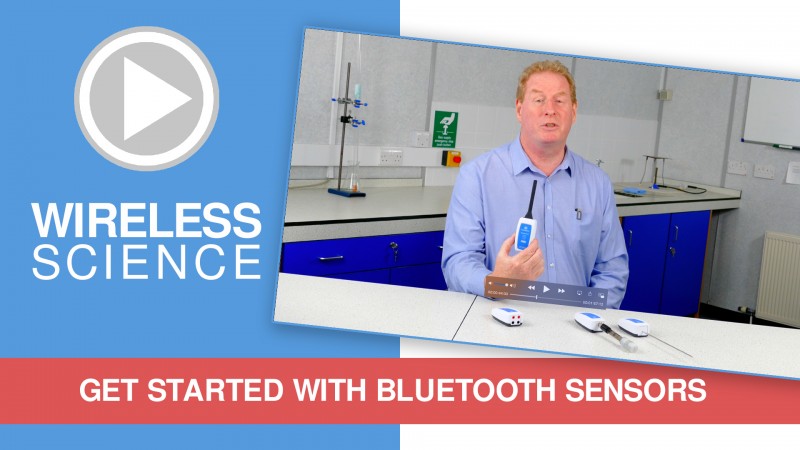
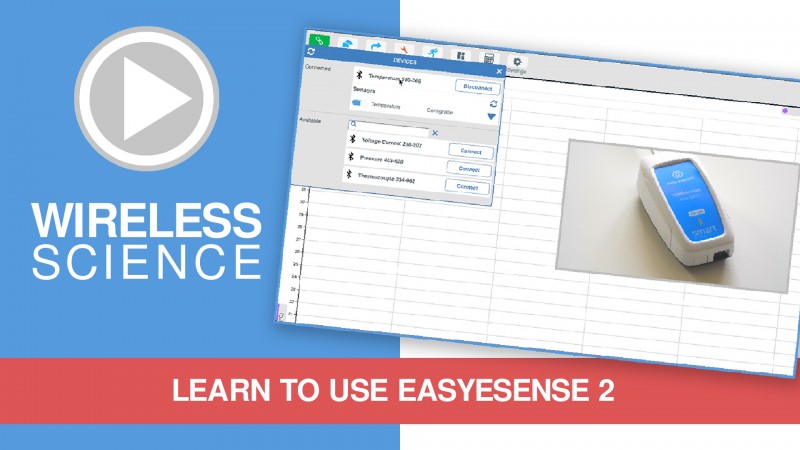
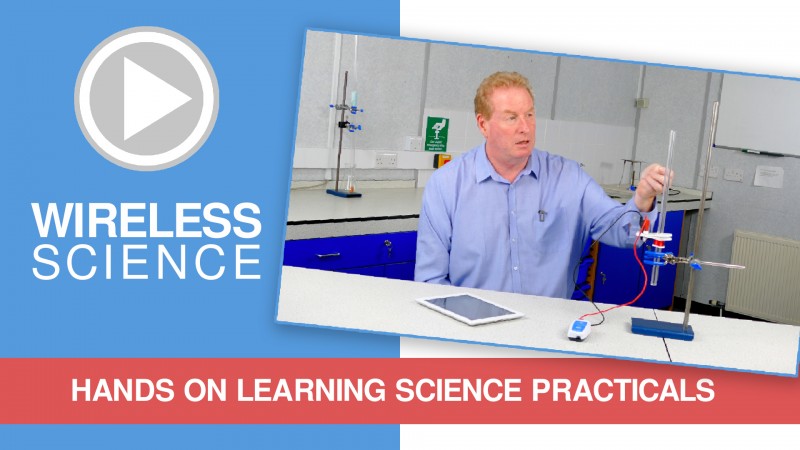
Learn how to use data logging in the classroom with our Secondary Science Academy demonstration videos, which will walk you through using the new EasySense app and show you how to get hands-on with the latest Bluetooth wireless sensors. The video experiments will show you how to get the best out of your science lessons.
New online content is being continuously uploaded onto our YouTube channel, including practical worksheets as well as videos.
See our website for further information and links.
|
|
Explore Bluetooth SensorsAre you looking to make the jump to our smart wireless sensors? Or have you recently purchased them and want to know more about how they work? |
|
|
Explore EasySenseThe core of our science platform is our EasySense app. In these videos you will learn everything from the basics of our software to the most in-depth features. |
|
|
Explore Science PracticalsSee our Smart Wireless Sensors in action with a range of practical experiments. This is the best way to get started with the new Bluetooth sensors! |