
The Electrode
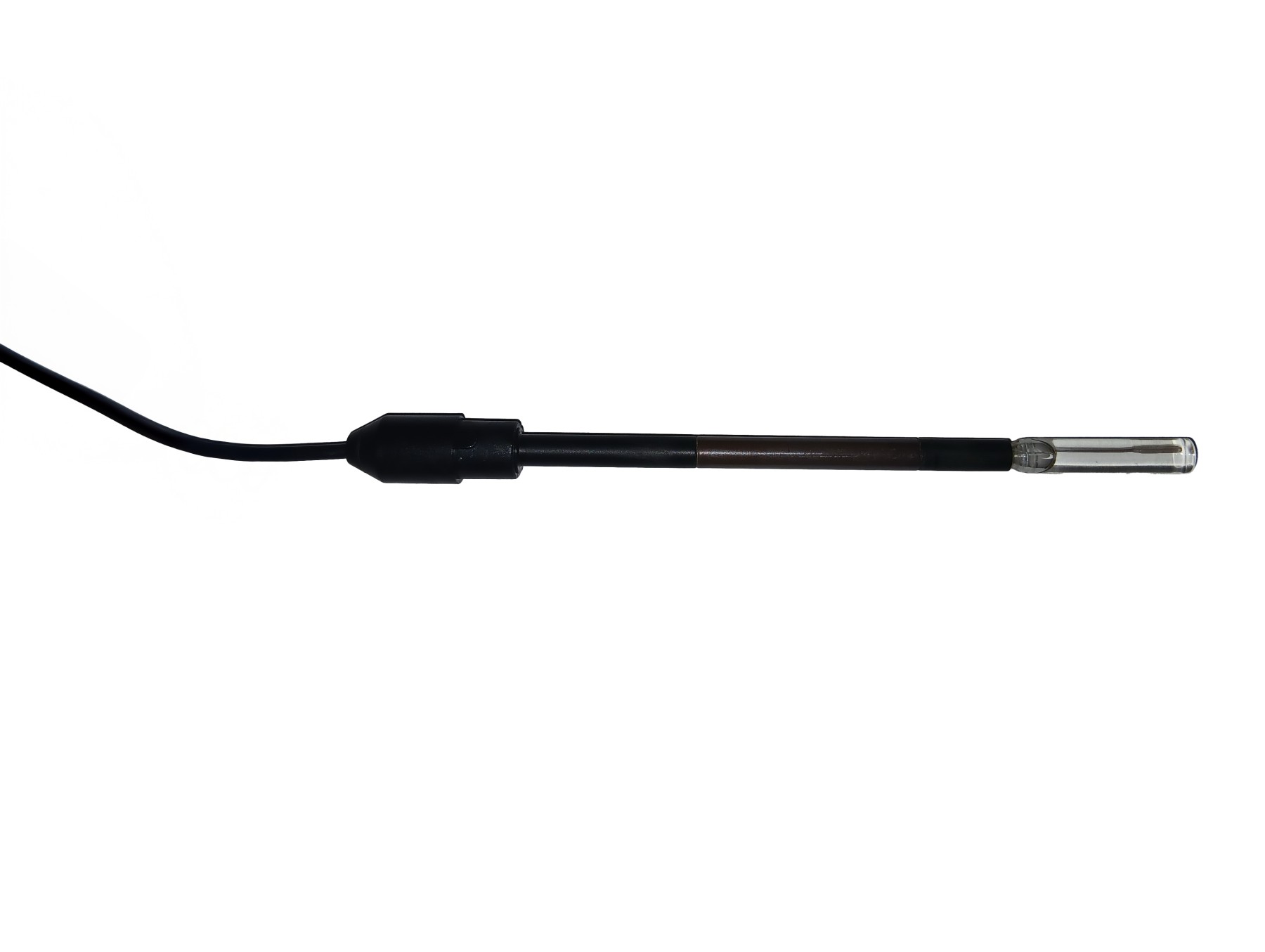
Overview
A dissolved CO₂ electrode is an electrochemical sensor used to measure the amount of carbon dioxide dissolved in a liquid, most often water or aqueous process solutions. These sensors are important in fields such as environmental monitoring, fermentation, bioprocessing, aquaculture, and wastewater treatment, where dissolved CO₂ influences pH, biological activity, and chemical equilibria.
The measurement principle relies on gas diffusion and pH change. Dissolved CO₂ from the sample diffuses through a gas-permeable membrane into a small internal chamber within the electrode. Inside this chamber, the CO₂ reacts with water to form carbonic acid, which partially dissociates and releases hydrogen ions. This alters the pH of the internal solution, and a pH-sensitive element converts that change into an electrical signal that is proportional to the dissolved CO₂ concentration after calibration.
In operation, dissolved CO₂ electrodes provide continuous, real-time readings, but their accuracy depends on proper maintenance and control of conditions. Temperature strongly affects CO₂ solubility and diffusion and therefore must be compensated. The membrane must remain clean and intact, and regular calibration with known standards is required. When used correctly, these electrodes offer a reliable way to track dissolved CO₂ in both laboratory and industrial settings.
Electrode Storage
A dissolved CO₂ electrode should always be stored moist, not dry, to protect the membrane and sensing elements. The tip is typically kept in a protective cap with a small amount of storage solution or clean water so the membrane stays hydrated.
For longer storage, keep the electrode clean, capped, and at a stable cool temperature, away from direct sunlight, freezing, and chemical vapours. Before reuse, allow it to equilibrate and recalibrate to ensure accurate measurements.
Electrode Maintenance
Maintenance of a dissolved CO₂ electrode involves regular inspection, cleaning, and calibration to keep measurements reliable. The membrane should be checked for dirt, biofouling, air bubbles, or physical damage and gently rinsed with clean water after use. If response becomes slow or unstable, the membrane should be replaced.
The internal filling solution should be replaced periodically, especially after extended use or storage, to maintain sensitivity. Routine calibration with known standards is essential, and temperature compensation should be verified. Between measurements, the electrode must be kept moist and protected from drying, as dehydration is a common cause of poor performance and shortened sensor life.